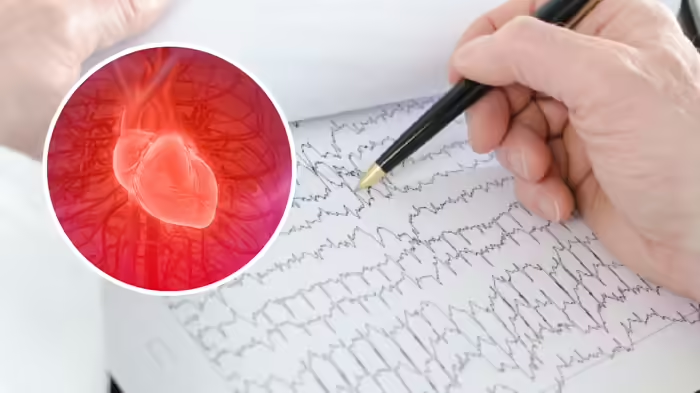
New Delhi: Heart diseases are often called silent killers because they develop quietly and remain unnoticed. Among them, cardiomyopathy is particularly dangerous, as even an ECG may fail to detect it in its early stages. Dr. Abhishek Singh, Consultant – Cardiology at Manipal Hospital, Ghaziabad, explains the symptoms and warning signs that people should watch for.
What is Cardiomyopathy?
Cardiomyopathy is a condition where the heart muscle’s structure and function are altered, reducing its ability to pump blood effectively. Initially, the condition may be mild, and routine tests like ECG often appear normal because the electrical activity of the heart remains unaffected in the early stages.
Symptoms to Watch For
Early cardiomyopathy can mimic common issues such as stress, acidity, or fatigue, which often leads to delayed diagnosis. Key warning signs include:
- Persistent fatigue
- Dizziness
- Shortness of breath
- Chest discomfort
- Palpitations or anxiety
Causes
Most cases are genetic, but prolonged hypertension, excessive alcohol consumption, viral infections, or metabolic disorders can also damage the myocardium silently over time. Symptoms may only appear years later.
Diagnosis
Because cardiomyopathy may not show up on a standard ECG, specialized tests are required:
- Echocardiogram (ECHO)
- MRI of the heart
- Blood tests and stress testing
Treatment
Early diagnosis allows doctors to prevent progression, manage symptoms, and protect the heart from failure or arrhythmia. Treatment includes medications to improve heart function. Advanced cases may require device-based therapy, such as:
- ICD (Implantable Cardioverter Defibrillator)
- CRT (Cardiac Resynchronization Therapy)
Surgical Options
In severe cases, surgery may be necessary, including:
- Septal myectomy
- LVAD (Left Ventricular Assist Device)
- Heart transplant
Disclaimer: This article is intended for general informational purposes only. Navbharat Times does not guarantee its accuracy and it should not be considered a substitute for professional medical advice. Always consult a qualified doctor for proper diagnosis and treatment.
Discover more from dnyan pravah news
Subscribe to get the latest posts sent to your email.