
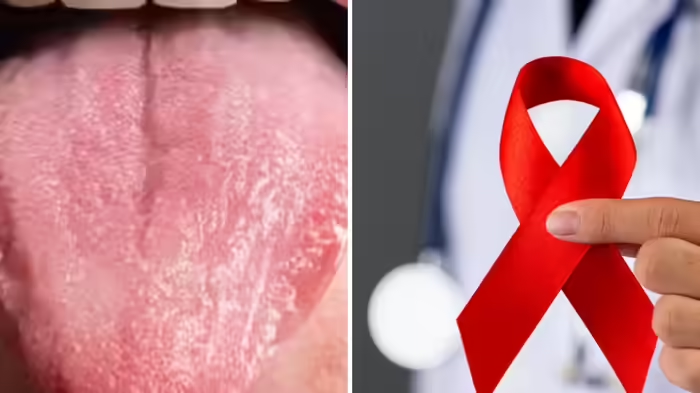
Sitamarhi, Bihar – A recent surge in HIV cases has put the district on high alert. Government data reveals that over 7,400 people in Sitamarhi are now living with HIV, highlighting the urgent need for awareness, testing, and timely medical intervention.
Since the establishment of the Anti-Retroviral Therapy (ART) Center at Sitamarhi Sadar Hospital in December 2012, around 7,400 to 8,000 HIV-positive patients have been registered. Alarmingly, 40–60 new patients are registering every month. Currently, approximately 5,000 patients are actively receiving free HIV treatment, reflecting a significant ongoing need for care and medical support.
Rising HIV Cases Among Children
A particularly worrying trend is the increasing number of HIV-positive children in the district. Over 400 children under the age of 18, including both boys and girls, have been identified. Most are of school-going age. Experts point out that the majority of these cases result from mother-to-child transmission during childbirth, a condition preventable through timely testing of pregnant women, known as PPTCT (Prevention of Parent-To-Child Transmission).
Government Initiatives
To curb the outbreak, the health department has launched awareness campaigns and testing camps in villages and high-risk areas. Teams are visiting homes to encourage testing, ensuring early detection and timely treatment. Focus is being given to the most affected regions to prevent further spread of the virus.
What is HIV and Its Early Symptoms?
HIV is a virus that attacks the body’s immune system, specifically targeting white blood cells, and can eventually progress to AIDS, the most advanced stage of the infection. Early symptoms often resemble common flu or viral infections, including:
- Mild or high fever
- Chills
- Persistent fatigue
- Body aches
- Sore throat
- Swollen lymph nodes in the neck or armpits
- Skin rashes
- Headache
- Nausea or vomiting
- Diarrhea and digestive issues
Why Early Testing is Crucial
Early detection allows immediate initiation of ART (Anti-Retroviral Therapy), which can reduce the viral load to undetectable levels, minimizing the risk of transmission to others. Timely treatment strengthens the immune system and significantly reduces the risk of severe illnesses in the future.
Who Should Get Tested?
Regular HIV testing is especially recommended for:
- Young adults
- Sex workers
- MSM (Men who have sex with men)
- People who inject drugs
- Pregnant women
- Partners of HIV-positive individuals
For pregnant women, testing is critical, as early detection and treatment can completely prevent mother-to-child transmission of HIV.
(Disclaimer: This article is for general informational purposes only and should not be considered medical advice. Consult a doctor for guidance on testing and treatment. NBT does not take responsibility for the accuracy or effectiveness of this information.)
Discover more from SD NEWS agency
Subscribe to get the latest posts sent to your email.