
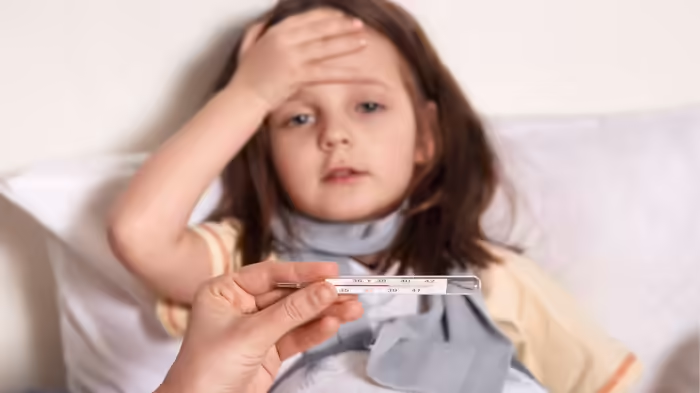
Hyderabad, December 20, 2025 — While cold, cough, and fever are common among children during winter, these symptoms should not always be dismissed as minor. Parents need to remain vigilant, especially if the symptoms appear severe, and seek medical advice promptly.
According to Dr. Anand Subhash Wani, Consultant Pediatrician and Pediatric Allergy Specialist at Ankura Hospital, Hyderabad, fever in children during winter can sometimes indicate serious underlying conditions rather than just seasonal flu or a common cold.
When Common Cold Symptoms Are Not Enough
Influenza in children often begins with sudden high fever, chills, body aches, extreme fatigue, and persistent cough, which are not typical in a normal cold. These symptoms can escalate rapidly, making it crucial to monitor children under five years of age closely.
Fever Can Trigger These 3 Serious Illnesses
Dr. Wani explains that persistent fever may trigger:
- Pneumonia – Infection of the lungs that can lead to breathing difficulties.
- Ear Infections – Often accompanied by pain, discomfort, and sometimes hearing issues.
- Sinus Problems – Nasal congestion and facial pressure, which may worsen if untreated.
In addition, severe cases may be caused by the influenza virus, which directly affects the respiratory system and can lead to serious breathing difficulties in children.
High-Risk Situations for Children with Chronic Conditions
Children with pre-existing conditions such as asthma, diabetes, congenital heart disease, or neurological disorders are at higher risk of complications from influenza.
- Asthmatic children may experience severe wheezing or chest tightness during fever episodes.
- Diabetic children can have disrupted blood sugar levels due to fever and reduced appetite.
- Children with neurological conditions may face reduced muscle strength, difficulty swallowing, or compromised breathing ability.
Experts emphasize that influenza is not just a respiratory illness for children with chronic health issues—it can also complicate the management of their existing conditions. Parents are advised to monitor their children carefully and consult a pediatrician immediately if severe symptoms appear.
Discover more from dnyan pravah news
Subscribe to get the latest posts sent to your email.