
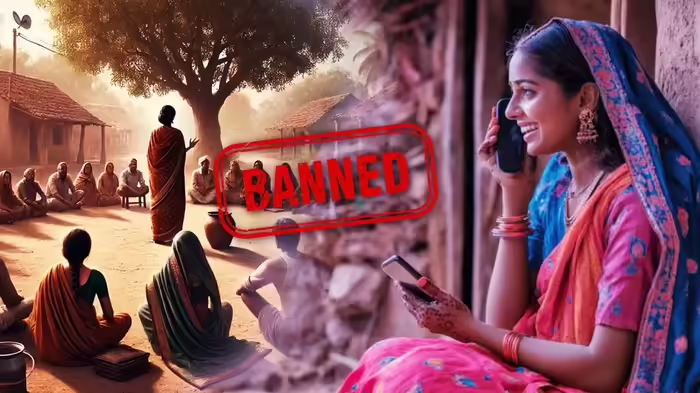
Jalore, Rajasthan: A controversial decision by a local panchayat in Jalore district has sparked statewide debate. The panchayat, associated with a social organization, has prohibited women in 15 villages from using smartphones with cameras starting January 26. The order also bans carrying smartphones to public events, neighbors’ homes, and social gatherings, allowing only basic keypad phones.
Legal Perspective:
Senior advocate Subhash Dixit emphasized that smartphone usage is a personal right, and no panchayat or community body can restrict women’s private life, communication, or freedom of expression. “Women are equal citizens under the Constitution. No panchayat can decide which phone we use. This order directly violates women’s freedom, dignity, and rights,” he said.
Constitutional Rights at Stake:
- Article 14: Right to equality
- Article 15: Prohibition of gender-based discrimination
- Article 19(1)(a): Freedom of expression and communication
- Article 21: Right to life and personal liberty
Under these provisions, no woman can be prevented from using a mobile phone unless she is violating the law.
Questionable Justifications:
The panchayat cited concerns that mobile use harms children’s eyesight. Experts called this reasoning unscientific, noting that children’s health is the responsibility of parents and authorities—not a justification to curtail women’s rights. Dr. Jyoti Sidana, Professor of Sociology, commented, “While excessive smartphone use may have risks, blaming women alone reflects narrow-minded thinking. In today’s digital era, keeping half the population away from technology is impractical and undermines national development.”
Redressal and Action:
Women can file complaints with local police stations, the State Women’s Commission, Human Rights Commission, or alert district administration officials, including the Collector and Superintendent of Police, to protect their rights. Social media campaigns are also urging the immediate revocation of the unconstitutional order and legal action against those responsible.
This controversy highlights the tension between traditional social controls and the constitutional freedoms guaranteed to all citizens, particularly women, in a democratic society.
Discover more from dnyan pravah news
Subscribe to get the latest posts sent to your email.