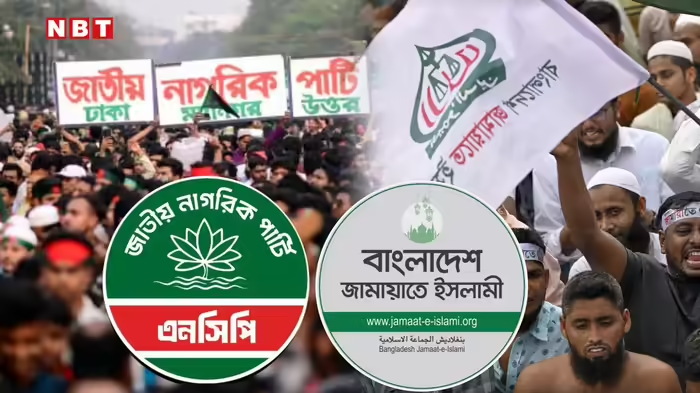
Dhaka: With Bangladesh gearing up for its 13th national parliamentary elections on 12 February, political parties are entering a phase of intense alliance-building. The country’s Chief Election Commissioner, A.M.M. Nasiruddin, recently announced the official election schedule, setting the stage for pre-election negotiations.
Reports indicate that Jamaat-e-Islami and the National Citizen Party (NCP) are in advanced discussions to form a coalition. While details of seat-sharing are still being negotiated, both parties are known for their staunchly India-critical stances, and the alliance, if finalized, could consolidate their influence in certain constituencies.
Background of the Parties
Jamaat-e-Islami has a decades-long history of anti-India positions and is often seen as aligned with Pakistan’s interests in Bangladesh. The NCP, formed last year by student leaders opposing Sheikh Hasina, has also consistently expressed anti-India rhetoric since its inception.
Internal Divisions within NCP
Despite positive negotiations with Jamaat, there are internal differences within NCP. A faction advocates revisiting alliance talks with the Bangladesh Nationalist Party (BNP), especially following Tarique Rahman’s return to Bangladesh. However, BNP’s lack of a constructive response has made Jamaat a more viable partner.
Seat-Sharing Talks
According to reports, NCP’s top leadership has already negotiated seat-sharing with senior Jamaat leaders. Initially demanding 50 seats, NCP reportedly agreed to contest 30 seats while supporting Jamaat candidates in the remaining constituencies.
Earlier, on 7 December, NCP had formed a coalition under the banner of the Democratic Reform Alliance with the Amar Bangladesh Party (AB Party) and the Bangladesh State Reform Movement. NCP’s current negotiations with Jamaat or BNP have caused friction within this alliance, signaling a potentially turbulent pre-election period.
As Bangladesh moves closer to the February polls, these strategic alliances may reshape the political landscape, particularly with parties that have historically maintained India-critical positions.
Discover more from dnyan pravah news
Subscribe to get the latest posts sent to your email.